
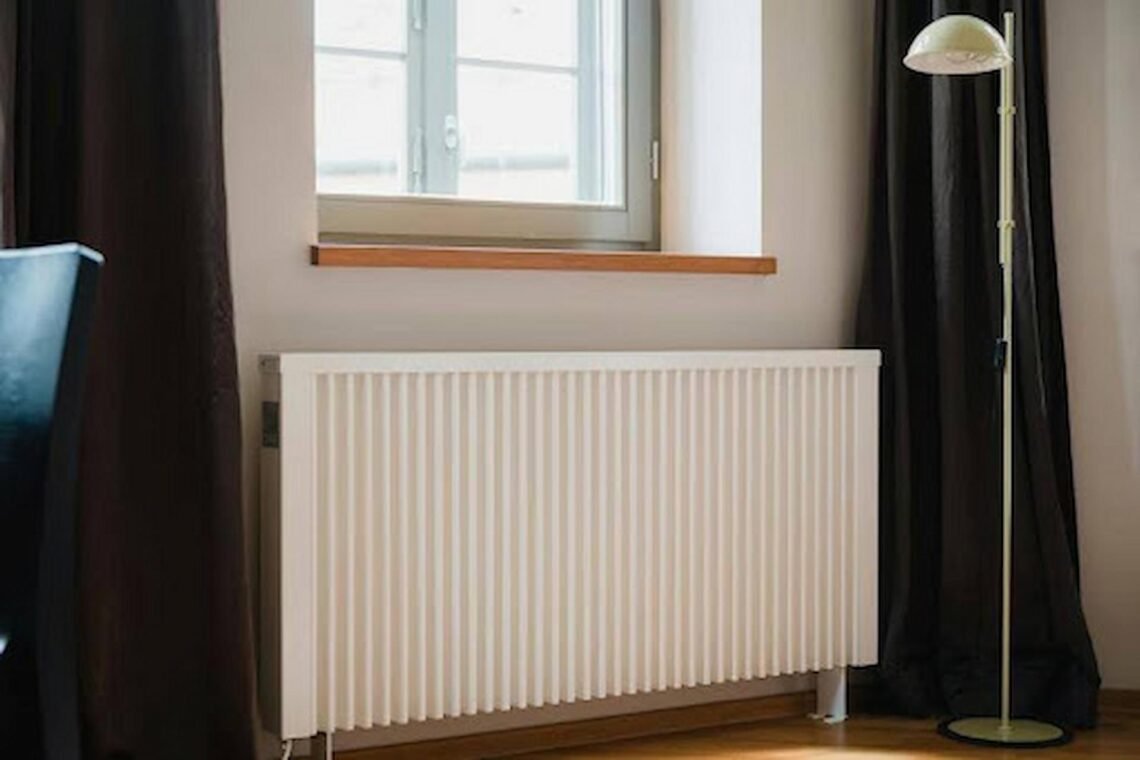
A Beginner’s Guide to How Electric Radiators Work
Electric radiators are changing how modern homes stay warm—offering efficient, room-by-room heating without the complexity of traditional systems. With greater control over energy use and flexible installation, they’re becoming a practical choice for homeowners looking to balance comfort and running costs. Here’s how they work and why they might be the smarter heating option for your home.
Heating technology has evolved significantly in recent years. Homeowners today are increasingly interested in systems that provide consistent warmth without complicated installation or maintenance. Electric radiators have emerged as a reliable option, particularly for properties without access to central heating systems or where additional room heating is required.
Alongside efficiency, aesthetics have also become important. Many homeowners now choose coloured electric radiators to match interior design while enjoying modern heating performance. These systems combine practical heating technology with stylish finishes, making them both functional and visually appealing.
To understand why electric radiators have become so popular, it helps to look at how they work and what makes them different from traditional heating systems.
How Electric Radiators Work
Electric radiators operate using a straightforward principle: electricity is converted directly into heat. Unlike central heating systems that rely on boilers and circulating water, electric radiators generate warmth independently.
When electricity flows through the radiator’s internal heating element, it produces thermal energy. This heat then warms the surrounding air and surfaces within the room. Most modern electric radiators use a combination of two heat transfer methods:
Convection Heating
Convection occurs when the radiator warms the surrounding air. As the air heats up, it becomes lighter and rises. Cooler air then moves toward the radiator, where it is heated again. This continuous cycle helps distribute warmth evenly throughout the room.
Radiant Heat
Radiant heat works differently. Instead of heating the air, the radiator emits warmth directly toward nearby objects, walls, and people. This method provides a comfortable feeling of warmth, similar to standing near sunlight.
By combining convection and radiant heat, electric radiators create a balanced heating environment that feels natural and comfortable.
Key Components Inside an Electric Radiator
Although electric radiators appear simple on the outside, several components work together to ensure efficient heating performance.
-
Heating Element
The heating element is the core component. It converts electrical energy into heat using a resistive material. As electricity passes through this material, it generates thermal energy.
-
Thermal Fluid or Heating Core
Many modern electric radiators contain a thermal fluid or solid heating core that helps retain heat. This internal medium absorbs energy from the heating element and gradually releases warmth, ensuring consistent temperature levels.
-
Thermostat Control
A thermostat monitors room temperature and regulates heat output. When the room reaches the desired temperature, the radiator reduces or stops heating to prevent energy waste.
-
Digital Programming Features
Modern electric radiators often include programmable timers and smart controls. These allow users to schedule heating periods and adjust temperature settings easily.
These components work together to create a reliable heating system that is both efficient and easy to manage.
Why Electric Radiators Are Energy Efficient
One of the biggest advantages of electric radiators is their ability to convert nearly all electricity into usable heat. Unlike traditional heating systems that lose energy through pipes or boilers, electric radiators deliver heat directly into the room.
Another factor contributing to efficiency is zoned heating. With electric radiators, each room can be heated independently. This means homeowners can warm only the spaces they use, rather than heating an entire property unnecessarily.
Energy efficiency is also supported by modern thermostat technology, which prevents overheating and maintains steady temperatures throughout the day.
In addition to performance, many homeowners choose coloured electric radiators because they combine efficient heating with design flexibility. Available in a wide range of finishes, these radiators allow heating systems to blend seamlessly with modern interiors.
How Heat Spreads Throughout the Room
The effectiveness of an electric radiator depends on how heat circulates within a space. When the radiator begins heating, warm air rises toward the ceiling while cooler air moves toward the radiator.
This airflow creates a gentle circulation pattern known as convection current. Over time, the entire room gradually reaches a comfortable temperature.
At the same time, radiant heat warms surrounding surfaces such as furniture, walls, and flooring. These surfaces then release heat slowly, helping the room remain warm even after the radiator cycles off.
This dual heating approach helps maintain consistent indoor comfort while avoiding sudden temperature changes.
Practical Tips for Using Electric Radiators Efficiently
To maximise performance and reduce energy consumption, it helps to use electric radiators strategically. A few simple adjustments can significantly improve efficiency.
Helpful tips include:
- Position radiators where air circulation is not blocked by furniture or curtains.
- Use programmable thermostats to control heating schedules.
- Maintain steady temperatures rather than frequently switching systems on and off.
- Ensure rooms are well insulated to prevent heat loss.
- Choose radiator sizes appropriate for the room’s dimensions.
Following these steps allows electric radiators to operate more efficiently while maintaining a comfortable indoor environment.
Design and Flexibility in Modern Electric Heating
Electric radiators are no longer limited to simple white panels. Advances in design have made these systems far more adaptable to modern interiors.
Many homeowners now view heating systems as part of interior design rather than purely functional equipment. Options such as coloured electric radiators allow heating solutions to complement décor, creating a cohesive visual style within the home.
These design-focused models come in various finishes, including matte tones, metallic shades, and textured surfaces. This flexibility allows homeowners to select radiators that match furniture, walls, or architectural features.
The result is a heating solution that delivers both comfort and aesthetic value.
Key Questions Homeowners Ask
How do electric radiators generate heat?
Electric radiators generate heat by passing electricity through an internal heating element. This element converts electrical energy into thermal energy, which warms the radiator’s internal core. The heat then spreads into the room through convection and radiant warmth, creating a consistent indoor temperature without the need for a boiler or pipe system.
Are electric radiators energy efficient?
Electric radiators are considered highly efficient because almost all electrical energy used is converted into heat. Unlike traditional central heating systems, they do not lose heat through pipes or boilers. Their built-in thermostats and programmable controls also help maintain precise temperature settings and reduce unnecessary energy consumption.
Do electric radiators heat rooms quickly?
Electric radiators generally heat rooms quickly because the heating element begins producing warmth immediately when electricity flows through it. Many models also contain thermal materials that store heat and release it gradually. This combination allows the radiator to warm the space efficiently while maintaining stable temperatures.
Can electric radiators heat a whole house?
Electric radiators can heat an entire property if installed in each room. Because they operate independently, they provide flexible heating zones across the home. This setup allows different rooms to be heated at different times, helping homeowners manage energy use while maintaining comfort throughout the property.
Do electric radiators require maintenance?
Electric radiators require minimal maintenance compared to traditional heating systems. Since they do not rely on boilers, pipes, or circulating water, there are fewer mechanical components that can wear out. Occasional cleaning and checking thermostat settings are usually sufficient to
Closing Thoughts
Electric radiators offer a practical and efficient way to heat modern homes. Their straightforward design converts electricity directly into heat, eliminating many of the inefficiencies associated with traditional heating systems. Through a combination of convection and radiant heat, these systems warm rooms evenly and comfortably.
Modern features such as programmable thermostats and zoned heating also provide greater control over energy usage. In addition, design options like coloured electric radiators allow homeowners to integrate heating seamlessly into their interior spaces.
Understanding how electric radiators work helps homeowners make informed decisions about heating solutions that balance efficiency, comfort, and style.
keep the system operating efficiently.


You May Also Like

Hiring a Catering Services company
Double Glazing – How To Protect Your Investment
