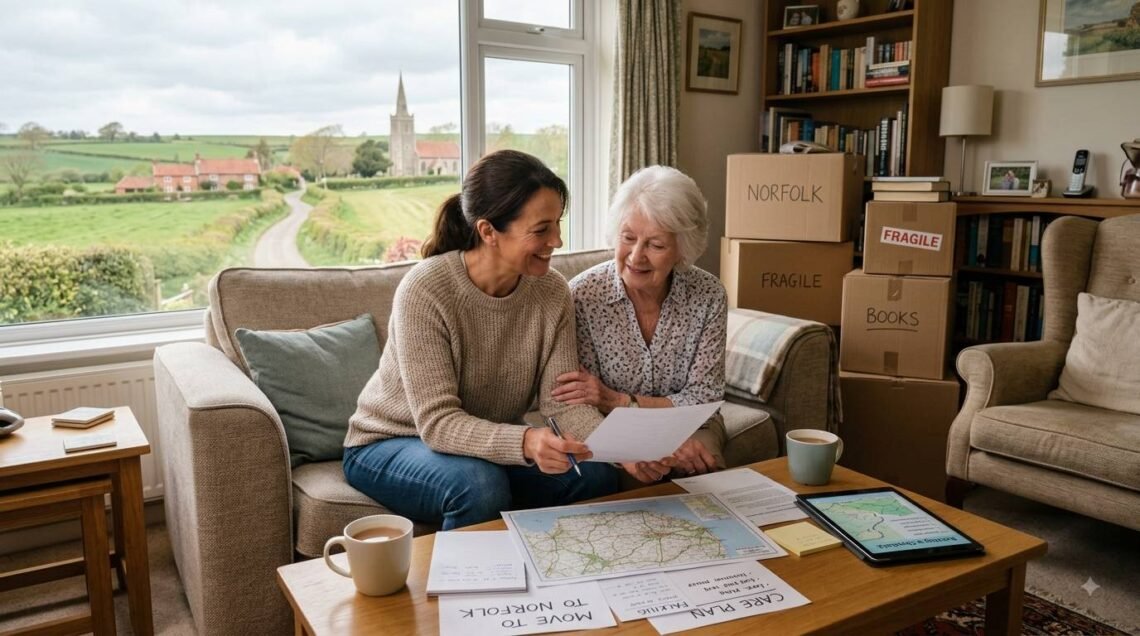
Moving a Parent to Norfolk: Coordinating a Cross-County Care Move
Thinking of relocating a parent to Norfolk for better care support? This guide walks you through the practical steps of a cross-county move, from assessing needs to settling in, so you can focus on what matters most—your parent’s wellbeing and comfort in a supportive new setting.
Moving a parent across county lines to Norfolk is a big step filled with mixed emotions. You want them safe, comfortable and well supported, yet the logistics can feel overwhelming. Many families reach this point when daily living at home becomes harder and a change of scenery plus professional help starts to make sense. Choosing the right residential care homes Norwich area options early helps everyone feel more confident. Norfolk offers a calm pace, countryside views and a strong care community that can ease the transition. This article shares practical guidance on planning the move, coordinating care and helping your parents settle, so the process feels clearer and more manageable from the first conversation onwards.
1. Assessing Care Needs Before the Move
Start by understanding your parent’s daily needs, including personal care, medication, meals and companionship. Discuss their preferences and speak with their GP or care professionals to determine the right level of support.
A care needs assessment can help guide the decision. Look for care homes that support independence while providing safe, compassionate care, social activities and regular family visits. Compare options, check CQC ratings and visit homes in person or virtually before making a decision.
2. Practical Steps for a Cross-County Relocation
Coordinating a move between counties requires careful timing and clear communication. Begin by contacting the chosen home early to discuss availability and arrange a care needs assessment. Share medical history, preferences and any important routines so the team can prepare a personalised plan.
Next, handle the practical side of packing and transport. Decide which belongings will come along—favourite furniture, photographs and personal items help create a sense of continuity. Professional moving services experienced with care home transitions can reduce stress on the day. At the same time, sort paperwork: update benefits, notify the current local authority, arrange new GP registration and confirm funding arrangements.
Involve your parent in choices where possible, from room layout to activity preferences. This keeps them at the centre of decisions and builds confidence in the new chapter.
3. Choosing the Right Support in Norfolk
Norfolk care homes vary, so choose one that matches your parent’s lifestyle and needs. Look for places that support independence, offer activities and involve families. Check whether they provide dementia care, nursing support or respite if needs change.
Visit or take a virtual tour to assess the atmosphere, staff, facilities, meals and daily activities. Clear communication and personalised care can help families feel confident in their choice.
4. Managing the Emotional Side of the Transition
The practical arrangements matter, yet the emotional impact often weighs heaviest. Your parent may feel uncertain about leaving familiar surroundings, while you might experience guilt or worry about the distance. Open, honest conversations help. Acknowledge those feelings without rushing to fix them.
Encourage your parent to share hopes and concerns. Reassure them that the move aims to improve daily comfort and safety rather than remove independence. Keep communication steady in the weeks leading up to the move so nothing feels sudden. Simple shared activities, such as looking at photos of the new home or discussing favourite pastimes, can ease anxiety and build positive anticipation.
5. Settling In and Staying Connected
The first weeks are about gentle adjustment. Encourage regular visits, shared meals or simple activities together so the new place begins to feel familiar. Staff can keep you updated on how your parent is settling and any new interests they discover. Many homes welcome family and friends freely and offer quiet spaces for private time.
Stay involved by attending events when you can and sharing feedback. Over time, most residents find companionship with people of similar age and enjoy the mental and physical stimulation that structured yet flexible days provide. Your ongoing presence remains important even as professional care takes on the day-to-day support.
6. Maintaining Continuity of Medical and Personal Care
Once the move is complete, ensure medical records transfer smoothly and a new GP is registered promptly. Share full details of existing medications, allergies and preferred routines with the care team so nothing is overlooked. Regular reviews help the home adapt support as needs evolve.
Keep an open channel with the staff. Brief catch-ups, whether by phone or during visits, allow you to stay informed and raise any small concerns early. This ongoing partnership supports consistency and gives everyone confidence that care remains well coordinated across the county boundary.
FAQs
How long does a cross-county care move usually take to arrange?
Most families need several weeks to a couple of months, depending on assessment timelines, room availability and how quickly paperwork can be completed. Starting early reduces pressure.
What should I pack for the first few weeks?
Focus on familiar clothing, toiletries, favourite photographs, a comfortable chair if space allows, and any small items that bring comfort. The care team can advise on practical limits.
Can family stay involved after the move?
Absolutely. Good homes actively welcome visitors at flexible times and keep relatives informed so relationships stay strong.
How do funding arrangements work across counties?
Funding can involve local authority support, NHS continuing healthcare or private payment. Speak to both the current and new local authorities early, and the care home can often guide you through the process.
What if my parent’s needs change later?
Many Norfolk homes offer a continuum of care, so residential support can adapt or include additional nursing or specialist input without another upheaval.
Conclusion
Relocating a parent to Norfolk for care is a thoughtful decision that prioritises safety, companionship and quality of life. By assessing needs carefully, planning the practical steps methodically and choosing a setting that values independence and family involvement, the transition becomes far less daunting. Addressing the emotional side and maintaining continuity of care further strengthens the move. Residential care homes Norwich options that deliver personalised, round-the-clock support within a welcoming community make a genuine difference. Keep communication open, involve your parent where possible and lean on the expertise of care professionals. With the right preparation, the move can open a new chapter of comfort, stimulation and peace of mind for everyone involved. Take the first step today by exploring suitable homes and starting those important conversations—your parent’s wellbeing is worth the careful coordination.


You May Also Like

Periods and Positivity: Redefining How We Talk About Menstruation

Monitored Alarm Systems