Custom Advertising Inflatables: How the Design Process Works
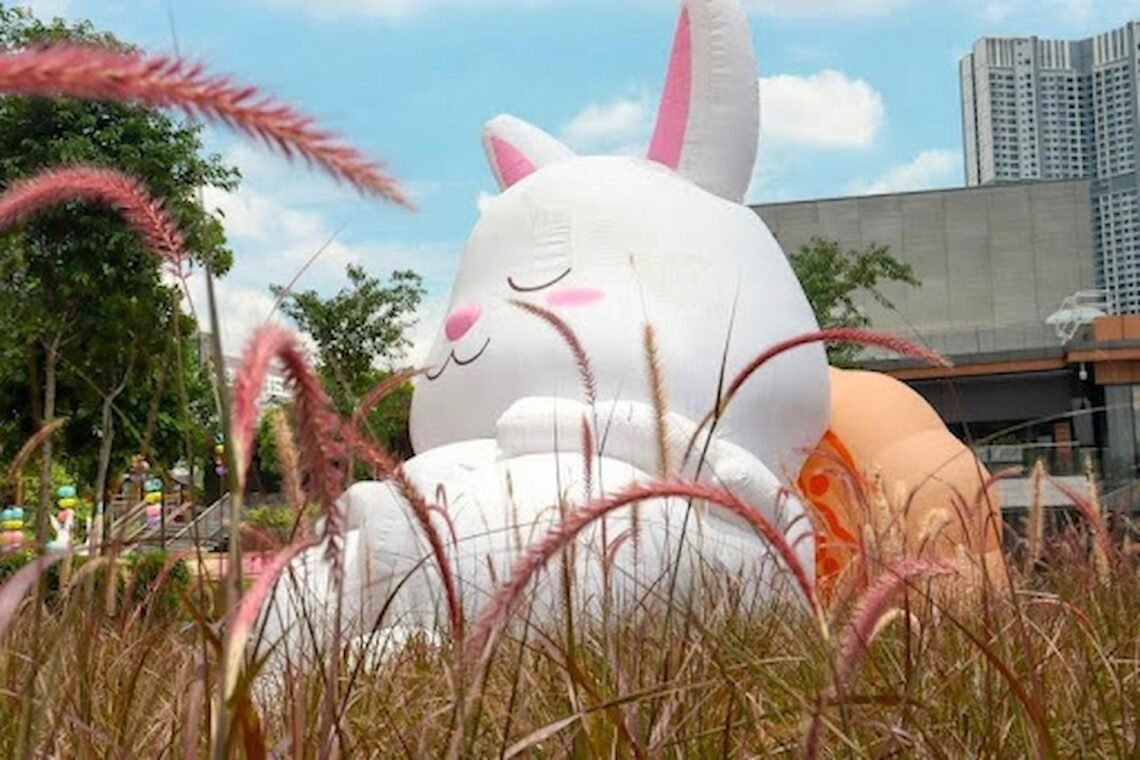
In the hyper-competitive world of modern marketing, capturing a consumer’s attention for more than a fleeting second is a monumental task. As digital noise reaches a crescendo, physical, larger-than-life branding has seen a significant resurgence. Custom advertising inflatables have moved far beyond the simple bouncy castles of yesteryear; they are now sophisticated, high-tech marketing tools used by global brands to dominate skylines and event spaces. But how does a simple concept transform into a towering, air-filled masterpiece?
Understanding the journey from a 2D sketch to a 3D structural reality is essential for any brand manager looking to invest. The industry is currently moving at a rapid pace, with Inflatable Event Trends shifting towards hyper-realism and integrated technology. Whether it is a giant replica of a new product or a bespoke mascot, the design process is a meticulous blend of artistic creativity and rigorous aeronautical engineering.
Phase 1: Conceptualisation and Consultation
The process begins not with fabric or fans, but with a conversation. A reputable manufacturer will first seek to understand the primary objective of the inflatable. Is it meant for a rooftop installation, a high-traffic trade show, or a touring festival?
During this initial stage, designers look at brand guidelines, colour palettes, and the specific “character” of the product. This is where the creative spark happens. Because these structures are often massive, designers must account for scale. What looks good on a business card might look imposing or distorted when scaled up to six metres. By staying abreast of current Inflatable Event Trends, manufacturers can advise clients on whether to opt for internal LED lighting, motion sensors, or specific finishes that mimic textures like chrome or wood.
Phase 2: 3D Modelling and Engineering
Once the concept is approved, the project moves into the digital realm. This is perhaps the most critical stage of the design process. Using advanced CAD (Computer-Aided Design) software, technical designers create a three-dimensional model of the inflatable.
This isn’t just about aesthetics; it is about physics. An inflatable is essentially a soft-shell pressure vessel. Designers must calculate:
- Internal Airflow: Ensuring that air from the blowers reaches every extremity of the design so it remains turgid.
- Stress Points: Identifying where the fabric might tear under high wind loads.
- Stability: Calculating the centre of gravity to ensure the structure doesn’t topple.
During this stage, the “pattern” is created. Much like a bespoke suit, the 3D model is “unwrapped” into hundreds of flat 2D panels. These panels are what will eventually be cut from the fabric.
Phase 3: Material Selection and Durability
Not all inflatables are created equal. The choice of material depends entirely on the intended lifespan and environment of the product. High-quality UK manufacturers typically utilise heavy-duty PVC or high-tenacity polyester with a polyurethane (PU) coating.
For a permanent outdoor installation, the material must be UV-resistant to prevent the colours from fading in the sun and treated with anti-fungal coatings to prevent mould in the damp British climate. Furthermore, all materials must adhere to strict UK fire safety standards, such as BS 5867. This ensures that the inflatable is safe for use in public spaces, shopping centres, and indoor arenas.
Phase 4: Precision Printing and Cutting
Once the 2D patterns are finalised and materials selected, the branding is applied. Modern advertising inflatables utilise dye-sublimation or UV digital printing. This allows for photographic-quality imagery and perfect Pantone colour matching, ensuring the brand’s visual identity remains uncompromised.
The Production Checklist
To maintain high standards, several technical steps are followed during production:
- Digital Plotting: Automated cutting tables use lasers or blades to cut the fabric panels with millimetre precision.
- Reinforced Stitching: Double or quadruple stitching is applied to high-tension areas using bonded nylon thread.
- Tether Point Integration: Heavy-duty D-rings are sewn into the internal structure to allow for secure anchoring.
- Blower Specification: Selecting the correct horsepower (HP) for the internal or external fans to maintain optimal pressure.
Phase 5: Assembly and “The Cold Blow”
With the panels cut and printed, skilled machinists sew the components together. This is a labour-intensive process that requires immense precision. After assembly, the inflatable undergoes its first “cold blow.” This is the initial inflation in the factory where the design team inspects the shape.
Is the branding aligned across the seams? Does the structure stand straight? Are there any unexpected puckers or air leaks? This stage is vital for quality control. It is also the moment where the client often gets their first glimpse of the finished product via video or photograph.
Phase 6: Rigging and Health & Safety
The final part of the design process involves planning for the real world. A custom inflatable is only as good as its installation. This involves designing a rigging plan that accounts for ballast requirements. In the UK, the industry standard often follows the “6-metre rule,” where wind speeds must be monitored constantly.
The design team provides a comprehensive manual detailing:
- Anchor Points: Where to tie the ropes to ensure even load distribution.
- Ballast Weight: The exact amount of sandbags or water weights required based on the inflatable’s surface area.
- Deflation Procedures: How to safely pack the unit away to prevent damage to the internal baffles.
Why Custom Inflatables Work
The reason brands continue to invest in this medium is simple: scale creates impact. A well-designed inflatable bypasses the “ad-blocking” instinct of the modern consumer. It is a tactile, physical presence that invites interaction and social media sharing. From giant replica beer cans at music festivals to massive inflatable arches at charity runs, the versatility of the medium is unmatched.
Furthermore, the “pack-down” factor is a significant logistical advantage. A structure that stands ten metres tall can often be deflated and packed into a single pallet or a large holdall, making it one of the most cost-effective ways to transport a massive branding footprint.
Conclusion
The design process of a custom advertising inflatable is a fascinating journey from a simple idea to a complex piece of pneumatic engineering. It requires a harmony of artistic vision, mathematical precision, and high-quality craftsmanship. By understanding each phase—from the initial 3D modelling and material selection to the final safety testing—brands can ensure their investment not only looks spectacular but stands the test of time.
If you are looking to elevate your brand’s physical presence at your next event, consider the power of bespoke shapes. Whether you are following the latest industry trends or forging a new path with a completely unique concept, a custom-built inflatable is guaranteed to turn heads and leave a lasting impression. Ready to see your brand take flight? Contact a specialist designer today to begin your journey into the third dimension.


You May Also Like

Why Holiday Cottages are the Best Choice for Romantic Breaks in Suffolk

The Importance Of Specialist Nutrition Products