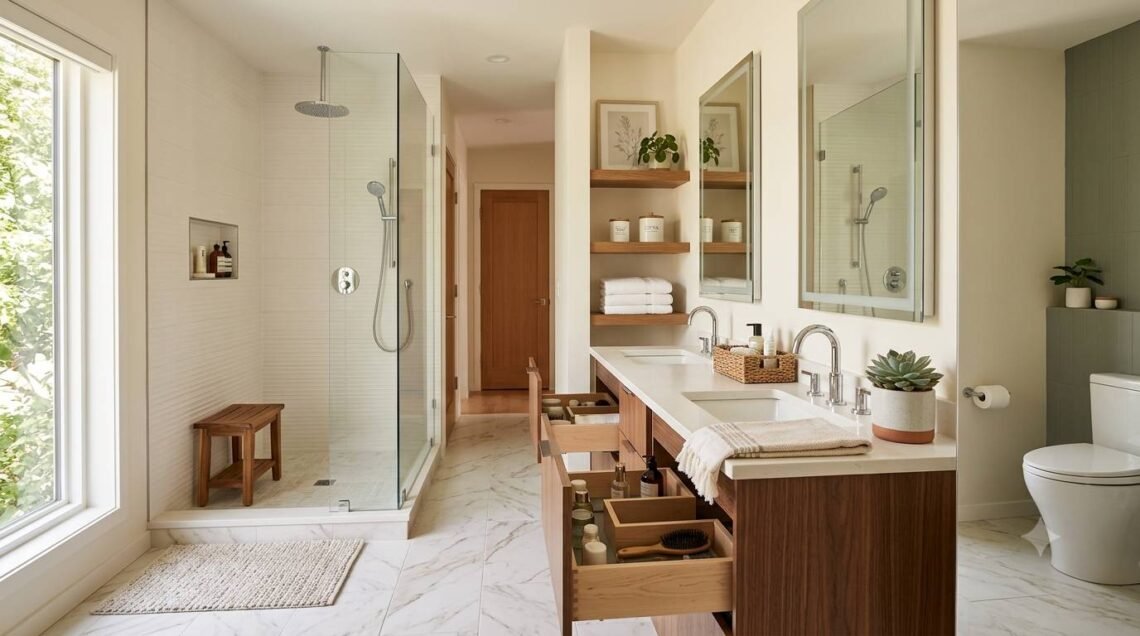
Smart Ways to Create a Bathroom That Works for You
A bathroom should feel comfortable, practical, and well suited to the people who use it. While attractive fixtures and finishes can shape the room’s look, good planning helps everything work together. From the layout and sanitaryware to storage and lighting, each choice can affect how easily the space fits into everyday life.
If you are planning a new bathroom, visiting a specialist Bathroom Store can make it easier to explore different options in person and consider how they might work within your space. Having a clear idea of your priorities before choosing products can also help you create a room that feels considered rather than simply filled with individual fittings.
1. Begin With the Layout
The layout should always be one of the first things to consider. A bathroom may have beautiful products, but if the positioning of those products makes the room difficult to move around, it will not feel as comfortable as it could.
Start by measuring the available space and considering where existing plumbing, doors and windows are positioned. This gives you a realistic understanding of what can fit without making the room feel cramped. In a smaller bathroom, careful positioning can make even a limited floor area feel more open.
It is also worth thinking about how the bathroom is used throughout the day. A family bathroom may need space for several people, while an en-suite may benefit from a more streamlined arrangement. Designing around real routines can make the finished room much easier to live with.
2. Choose Fixtures With Everyday Use in Mind
Bathroom fixtures are central to both the appearance and functionality of the space. Instead of choosing products simply because they look attractive, consider whether they are appropriate for the size of the room and the people using it.
A basin with integrated storage can be useful where floor space is limited, while a larger bathroom may allow for a wider vanity or more generous sanitaryware. The same principle applies to baths and showers. Your choice should reflect whether you prefer quick showers, relaxing baths or the flexibility of having both.
Think about the visual relationship between your fixtures as well. Coordinated shapes, colours and finishes can create a more polished appearance, even when the individual products are relatively simple.
3. Make Storage Work Harder
Storage is one of those bathroom essentials that can make a significant difference without necessarily being the most noticeable feature. Keeping everyday products organised helps the room feel calmer and makes routines more convenient.
- Use vanity storage wisely: Drawers and cupboards beneath a basin can provide a practical home for toiletries, cleaning products and other essentials while keeping the worktop clear.
- Use vertical space: Wall-mounted cupboards and shelving can add useful storage without taking up valuable floor space, especially in smaller bathrooms.
- Keep frequently used items accessible: Products used every day should be easy to reach, while less frequently needed items can be stored away to maintain a cleaner appearance.
Good storage does not have to dominate the room. When planned carefully, it can blend into the overall design while quietly making the bathroom much easier to manage.
4. Select Materials for Long-Term Use
The surfaces you choose will influence the character of the bathroom, but they also need to withstand moisture, regular cleaning, and everyday wear. This makes it important to consider practicality alongside style.
Tiles can create a strong visual foundation, whether you prefer understated neutrals, natural-inspired finishes, or something more distinctive. Consider the size of the room when choosing patterns and tile dimensions, as certain designs can make a compact space feel more open.
Flooring also deserves careful attention. A bathroom floor needs to be suitable for a damp environment and comfortable enough for everyday use. Choosing durable materials from the beginning can help the room remain attractive and functional for longer.
5. Get the Lighting Right
Lighting can completely change the way a bathroom looks and feels. It should provide enough brightness for practical tasks while also creating a pleasant atmosphere when the room is being used at different times of the day.
Good lighting around the mirror is particularly useful for grooming, while general illumination helps ensure the whole room is easy to navigate. Where possible, combining different sources of light can create a more balanced effect than relying on a single fitting.
The position of lighting should also be considered alongside mirrors, storage and other fixtures. Planning these details together can prevent unwanted shadows and help the bathroom feel more thoughtfully designed.
6. Finish With the Details
Once the main elements have been decided, smaller details can bring the whole bathroom together. Taps, handles, mirrors, towel rails and other accessories may seem minor individually, but they can have a noticeable influence on the finished look.
Try to keep finishes reasonably consistent so that the room feels cohesive. A carefully selected mirror can also add character while making the space appear brighter or more spacious.
Finally, leave room for personal touches. Soft towels, simple accessories or a little greenery can add warmth without taking away from the practical design of the room.
In Conclusion
Creating a bathroom that works for you is about finding the right balance between appearance, comfort and practicality. A well-planned layout, suitable fixtures, useful storage, durable surfaces and thoughtful lighting can all contribute to a room that feels easier to use and more enjoyable to spend time in.
Rather than making every decision separately, consider how each element will work with the next. When the essentials are planned around your everyday needs, the result can be a bathroom that looks good, feels comfortable, and continues to work well over time.

You May Also Like

Fantastic Tips To Choose Reliable Ready Mix Concrete Suppliers
Avigilon CCTV is the best resolutions Cameras